-

-
 Argentina (en)
-
 Australia (en)
-
 Belgien (de)
-
Belgique (fr)
-
België (en)
-
 Brasil (en)
-
 Canada (en)
-
Canada (fr)
-
 Česko (en)
-
 Chile (en)
-
 Danmark (en)
-
 Deutschland (de)
-
 España (en)
-
France (fr)
-
 Hrvatska (en)
-
 Ireland (en)
-
 Italia (en)
-
 Magyarország (en)
-
 Nederland (en)
-
 Norge (en)
-
 Österreich (de)
-
 Polska (pl)
-
 Portugal (en)
-
 România (en)
-
 Schweiz (de)
-
 Slovenija (en)
-
 Slovensko (en)
-
 South Africa (en)
-
 Srbija (en)
-
Suisse (fr)
-
 Suomi (en)
-
 Sverige (en)
-
Svizzera (en)
-
 United Kingdom (en)
-
 United States (en)
-
 Россия (en)
-
 Україна (en)
-
 日本 (en)
-

Animal Preview: Brahman Cattle | Beans & Alpacas
3 Septembre 2026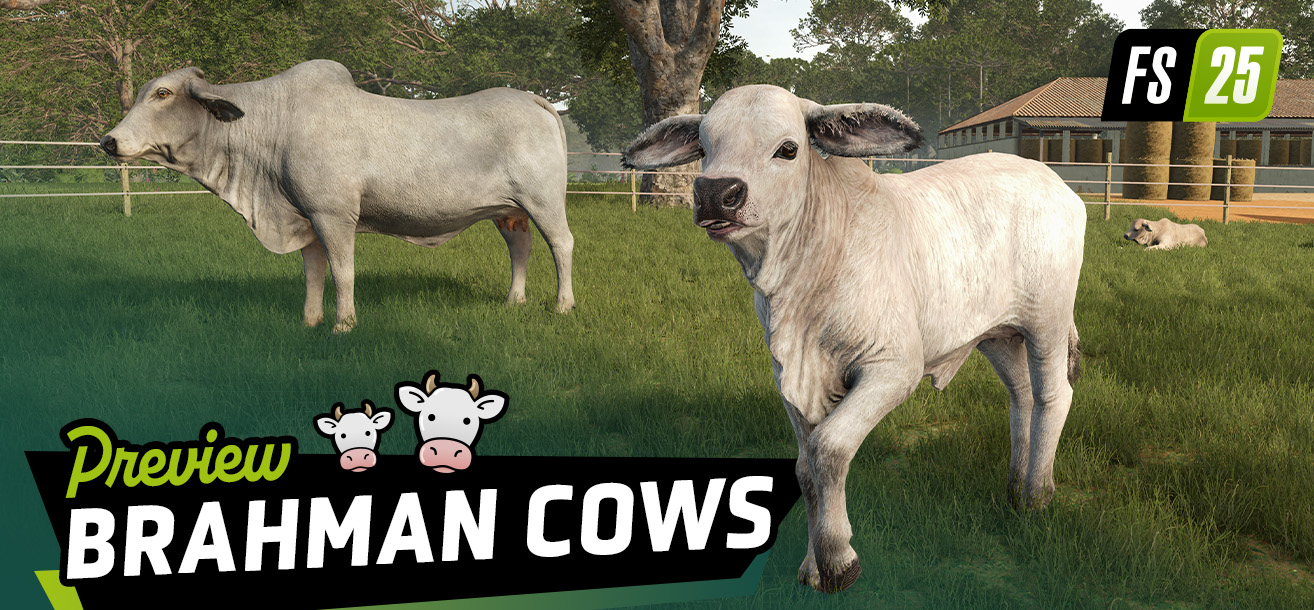
Just beacuse the expansion is called Beans & Alpacas, doesn't mean, there's not more. Could've named it Bananas & Brahmans as well, yes. But we thought a coffee-related title with some fluffiness has a better ring to it. Anyway, if you read up on our Previews for Alpacas and Bananas already, let's check out the other animal in the expansion: Brahman Cattle!

Some Facts About Brahmans
Did you know that?
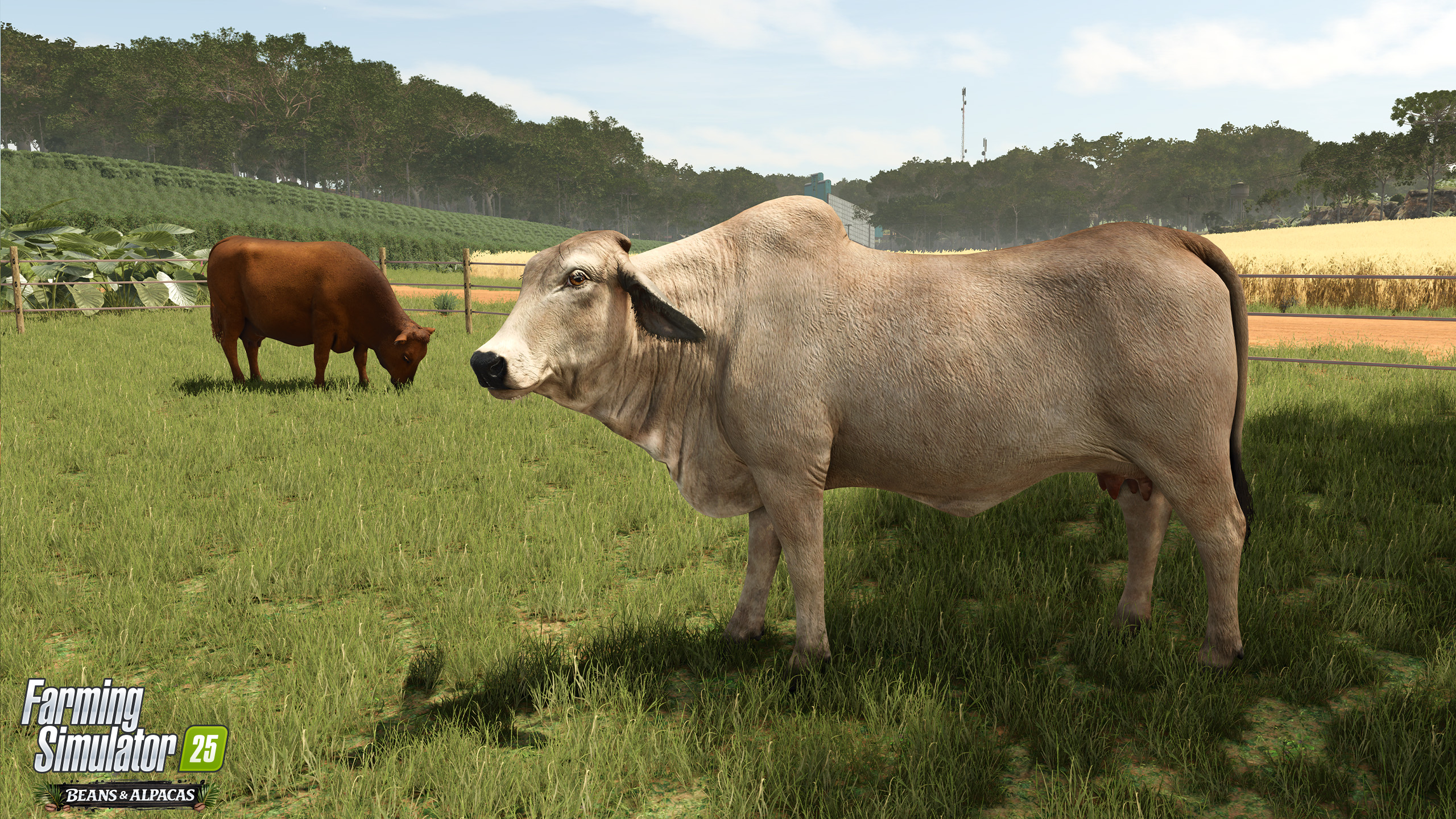
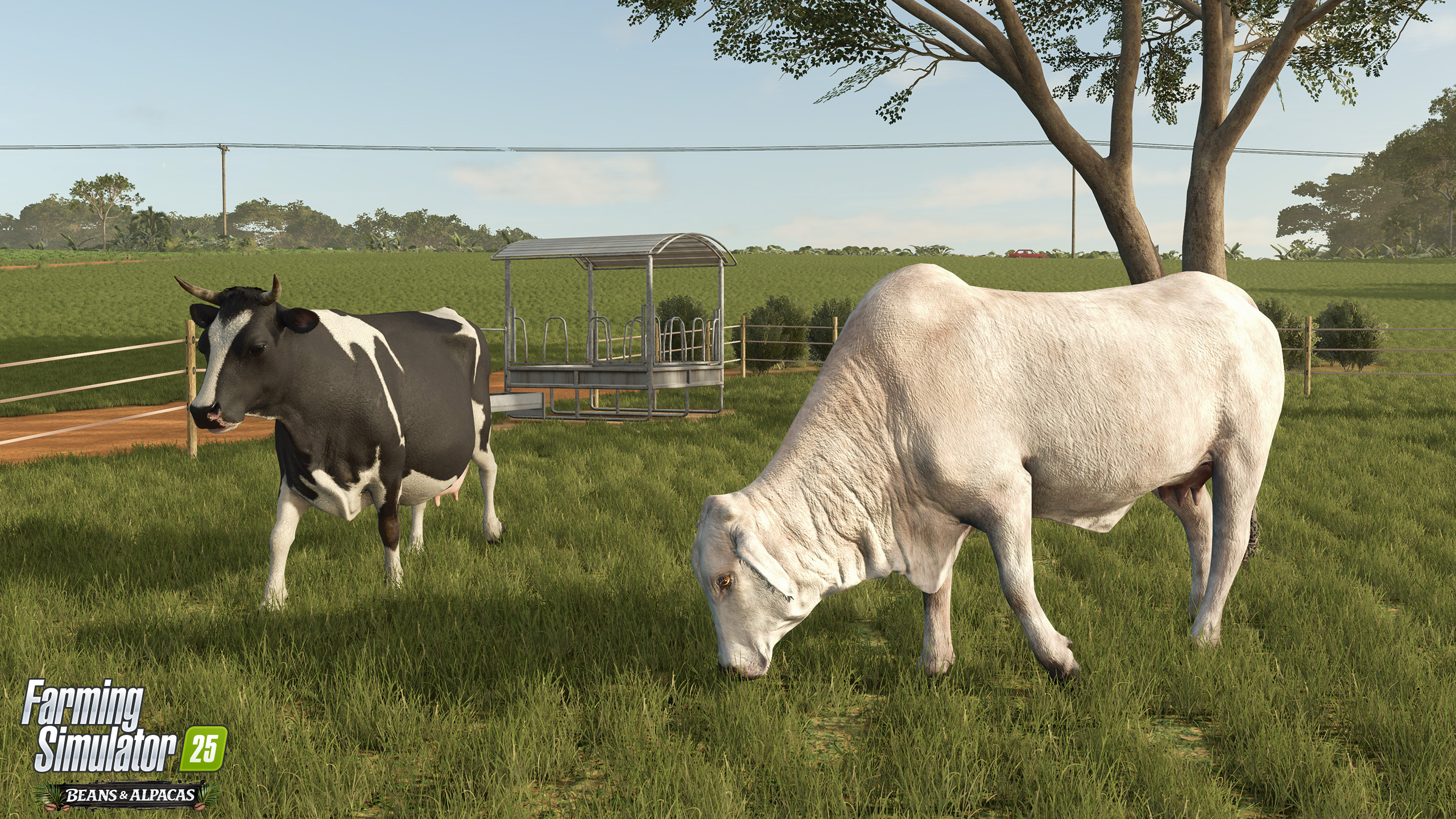
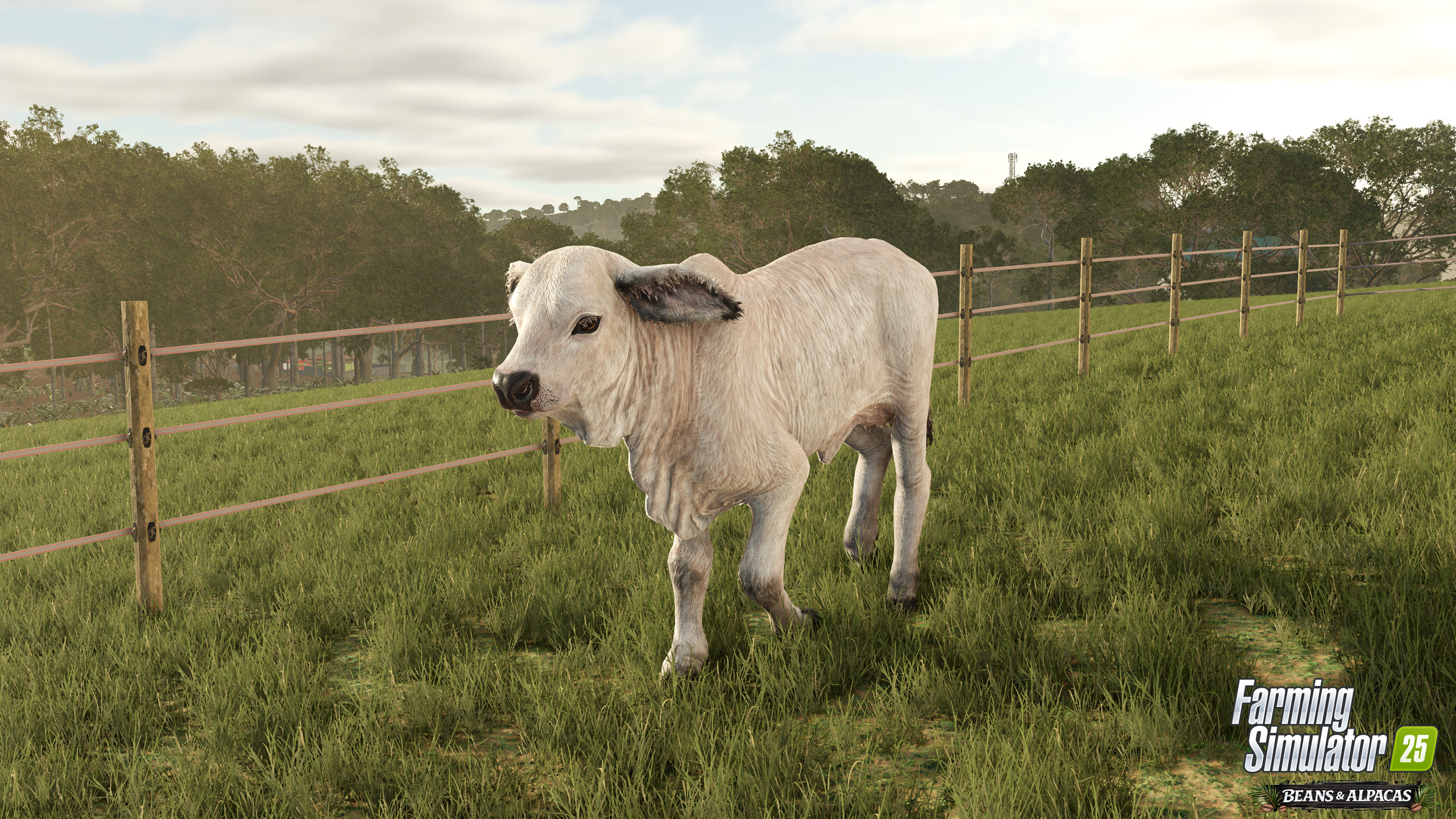
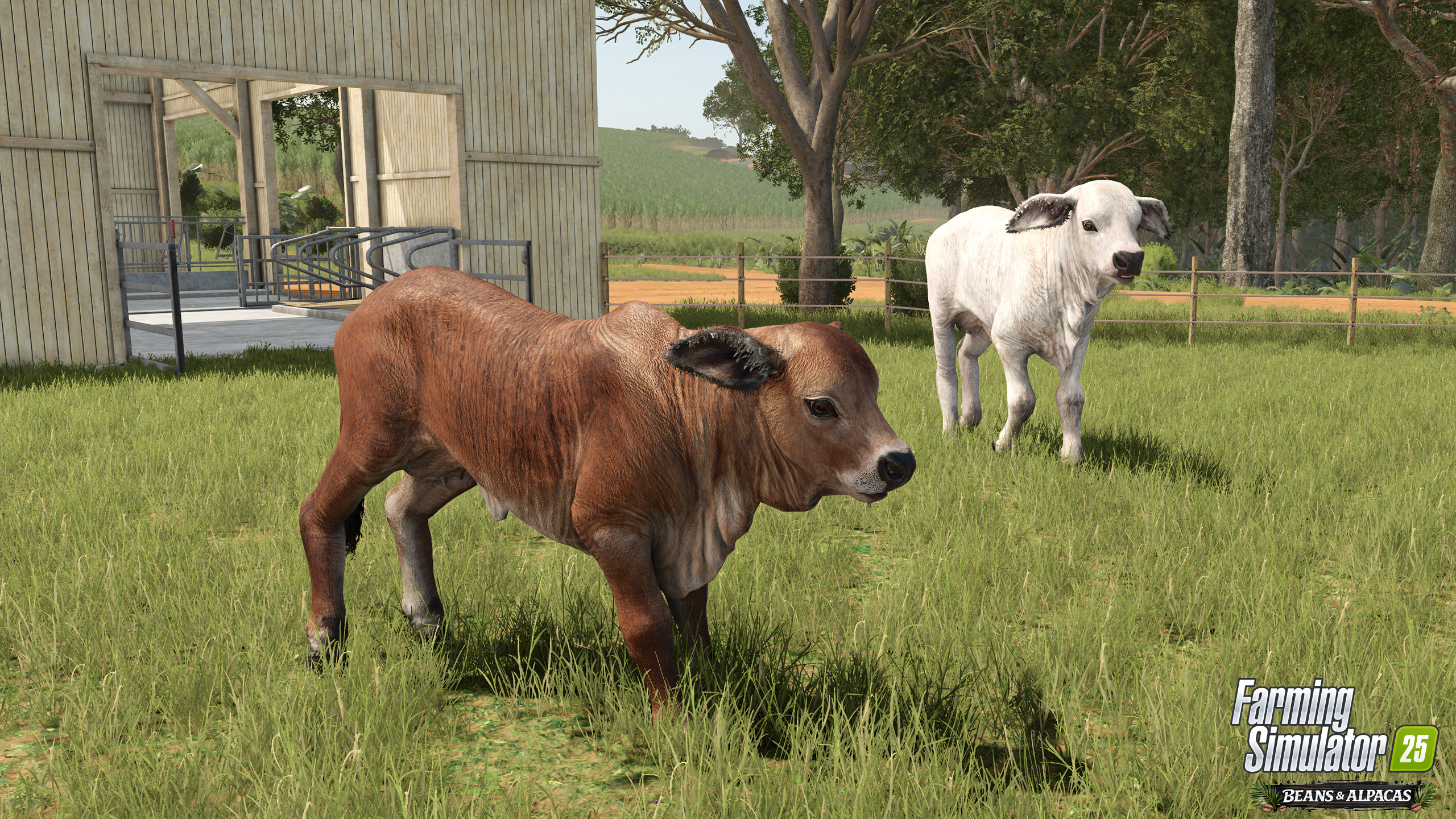
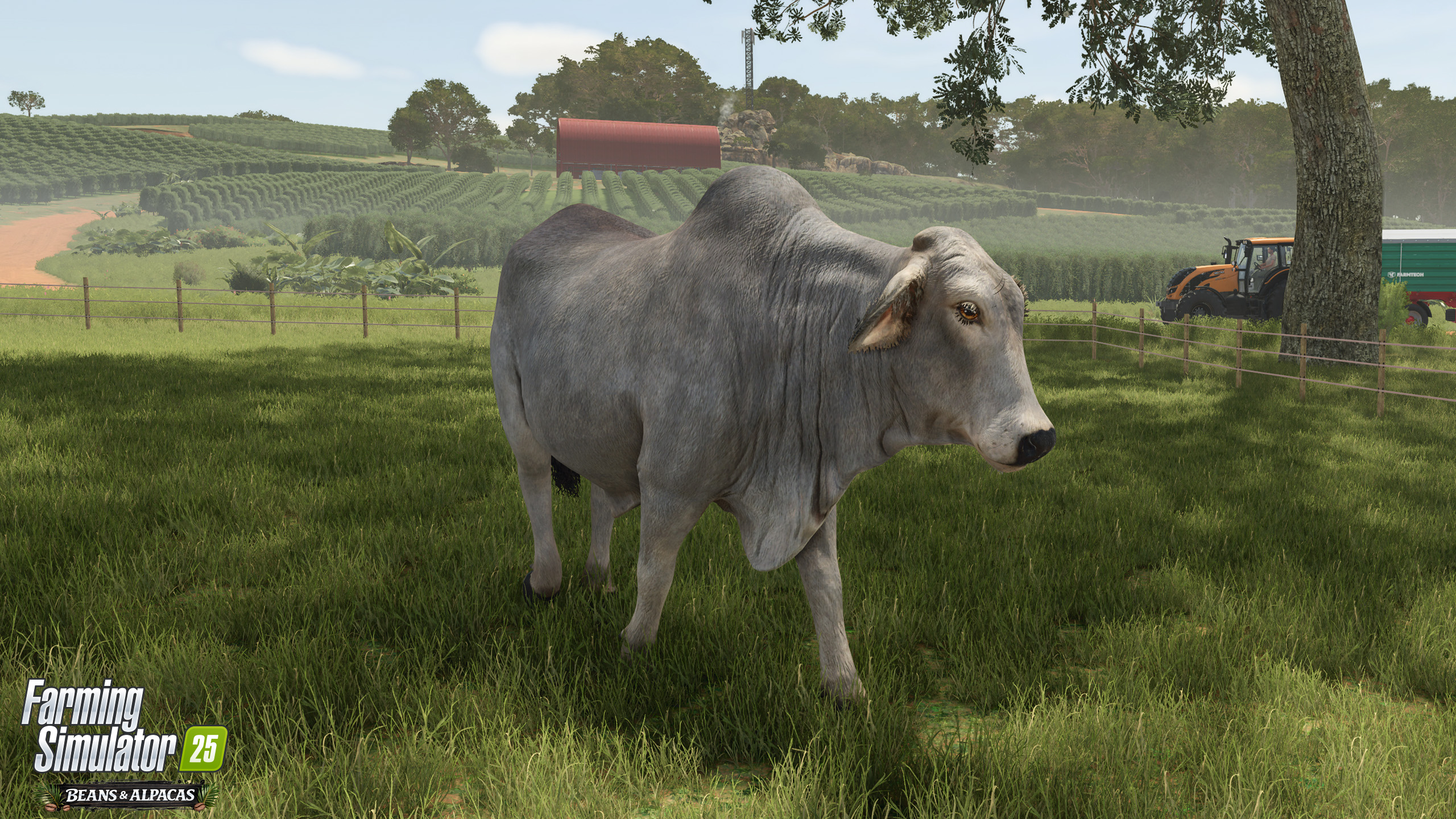
Brahman cattle are widespread across tropical and subtropical regions, particularly the southern United States, Central and South America, northern Australia, southern Africa, and parts of Southeast Asia. So, naturally, we had to bring them to Catuaí as well!
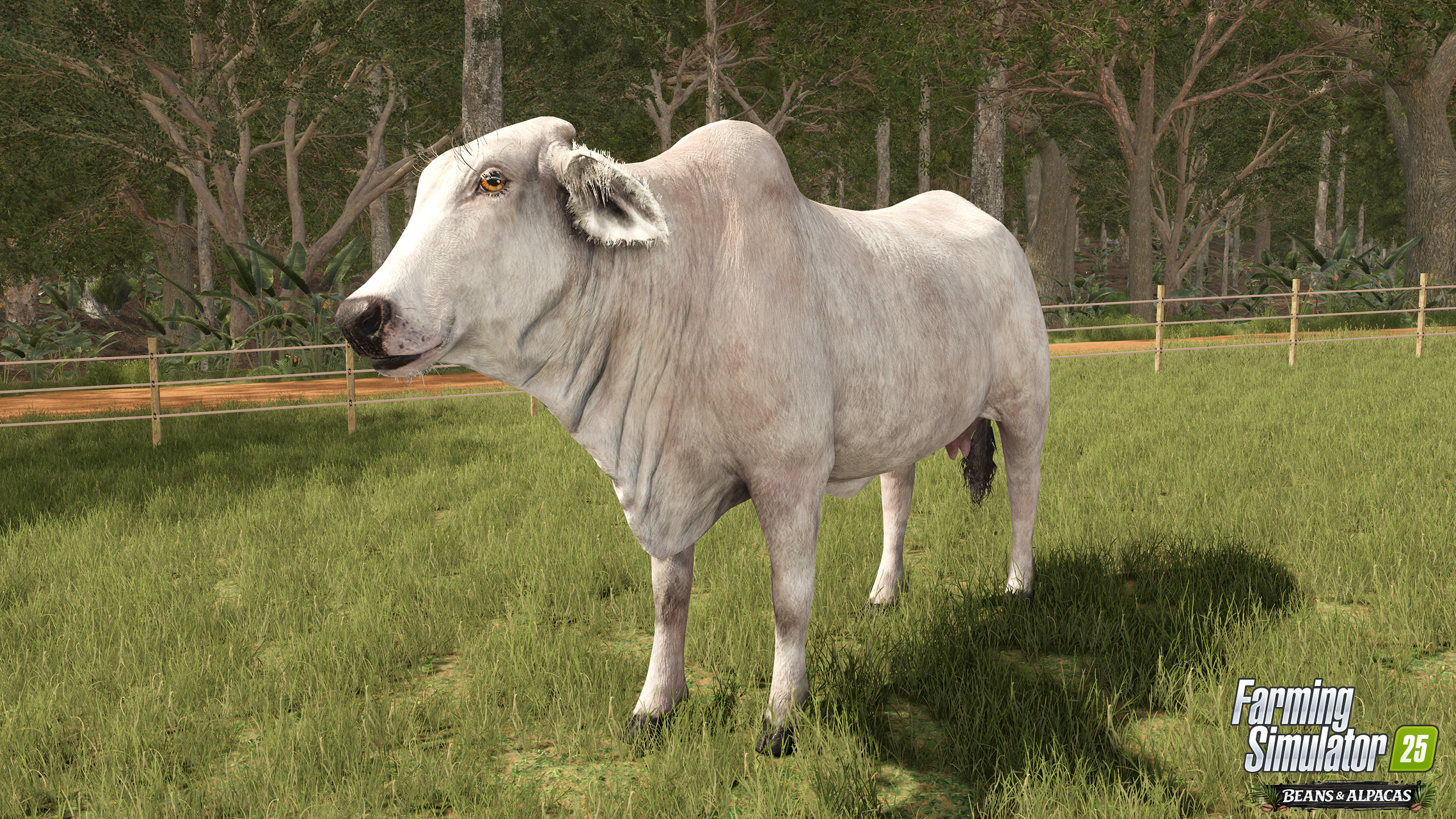
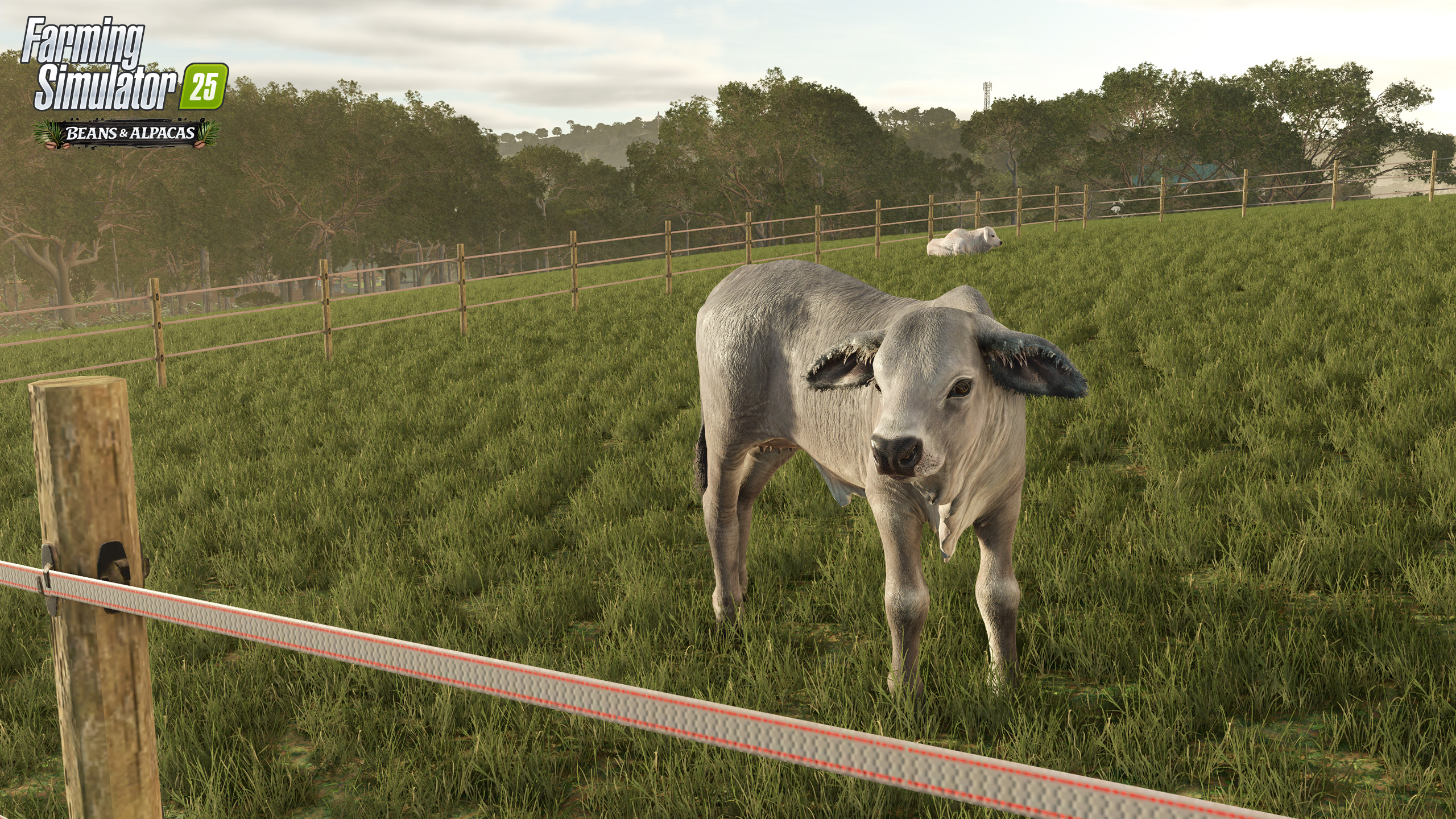
If you're from a region not familiar with these strange cows with their strange-looking hump and big, floppy eary, here's a short list of some random facts that might be worth knowing.
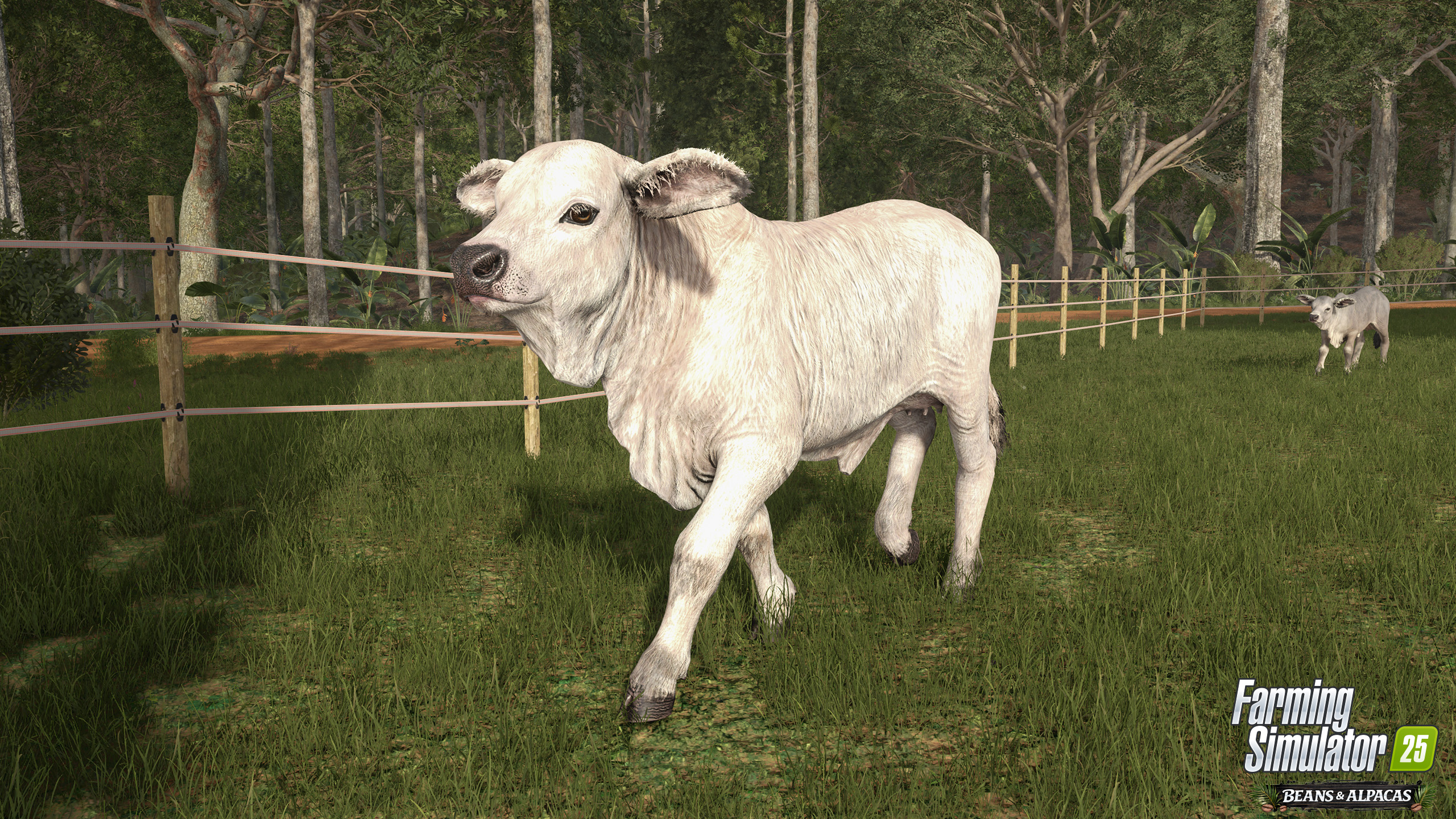
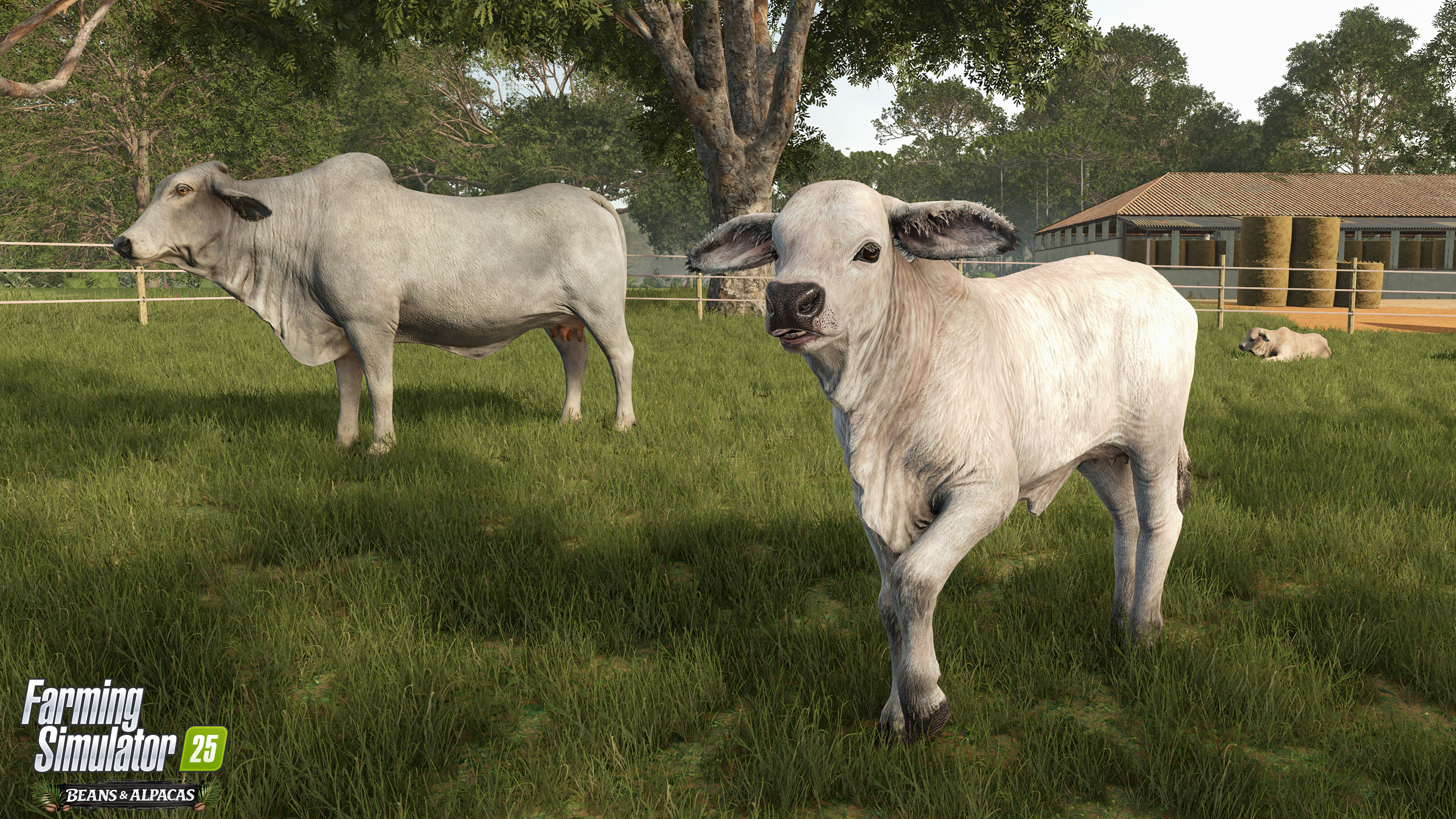
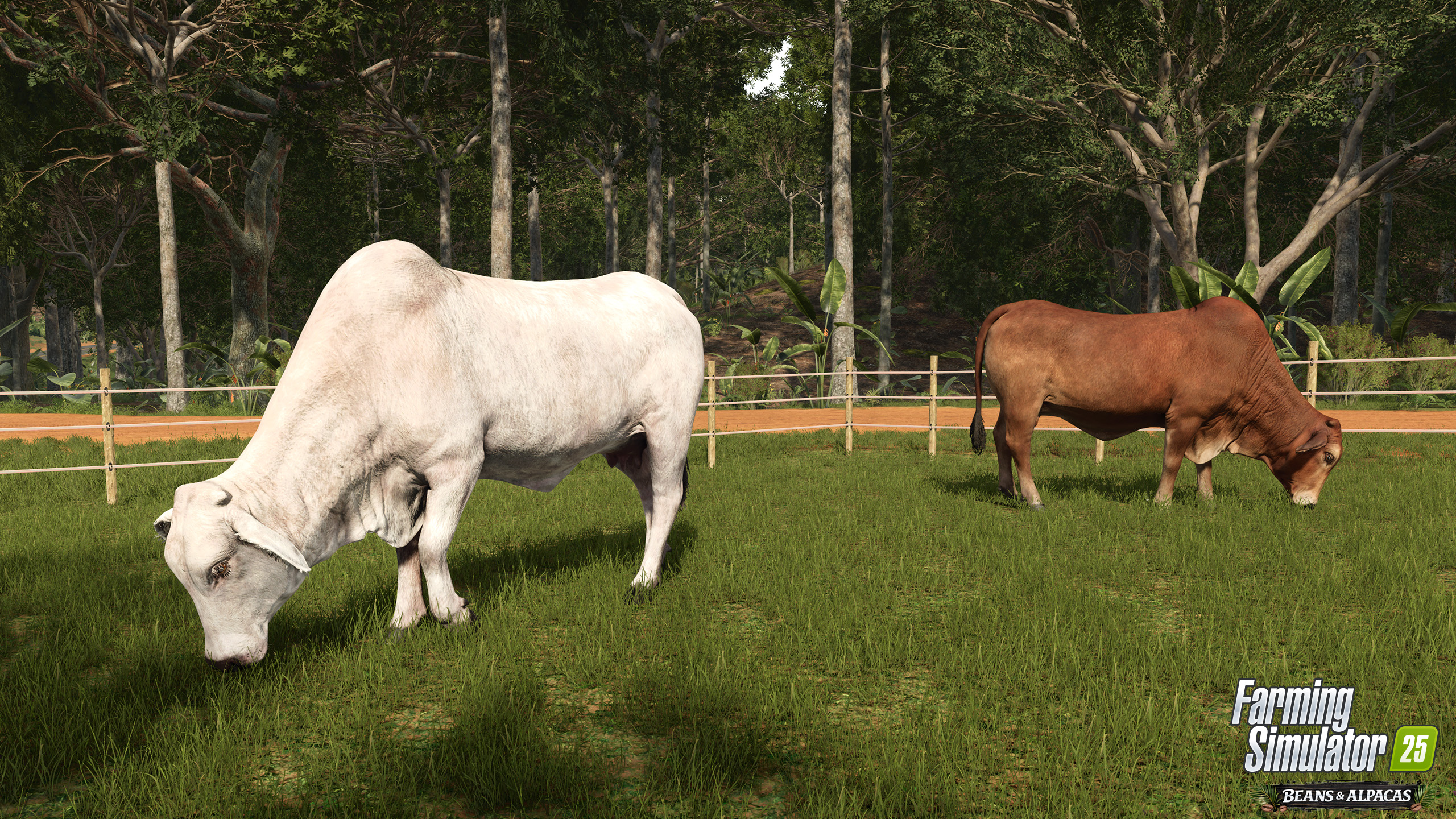
- The rather prominent hump over the shoulders and neck is real muscle, not stored fat.
- Brahmans have a lot of loose skin. It increases their body surface area, which assists heat dissipation.
- Their skin is strongly pigmented and dark and protects them from intense solar radiation. Cool, huh?
- Heat tolerance is obviously a defining strength. That also means an increased sweating ability.
- Also: Brahmans are noted for greater insect and parasite resistance than many European-derived cattle.
- Brahman cows have a strong reputation as mothers, with strong mothering ability.
- They are commonly described as intelligent, inquisitive and alert, but not aggressive.
- There are reports that they're harder to handle after negative experiences, so they remember bad handling!
- Only in 1924 they were named "Brahmans", proposed by J.W. Sartwelle of the American Brahman Breeders Association (ABBA).
Breeding, Housing, Feeding
How to keep Brahman Cattle
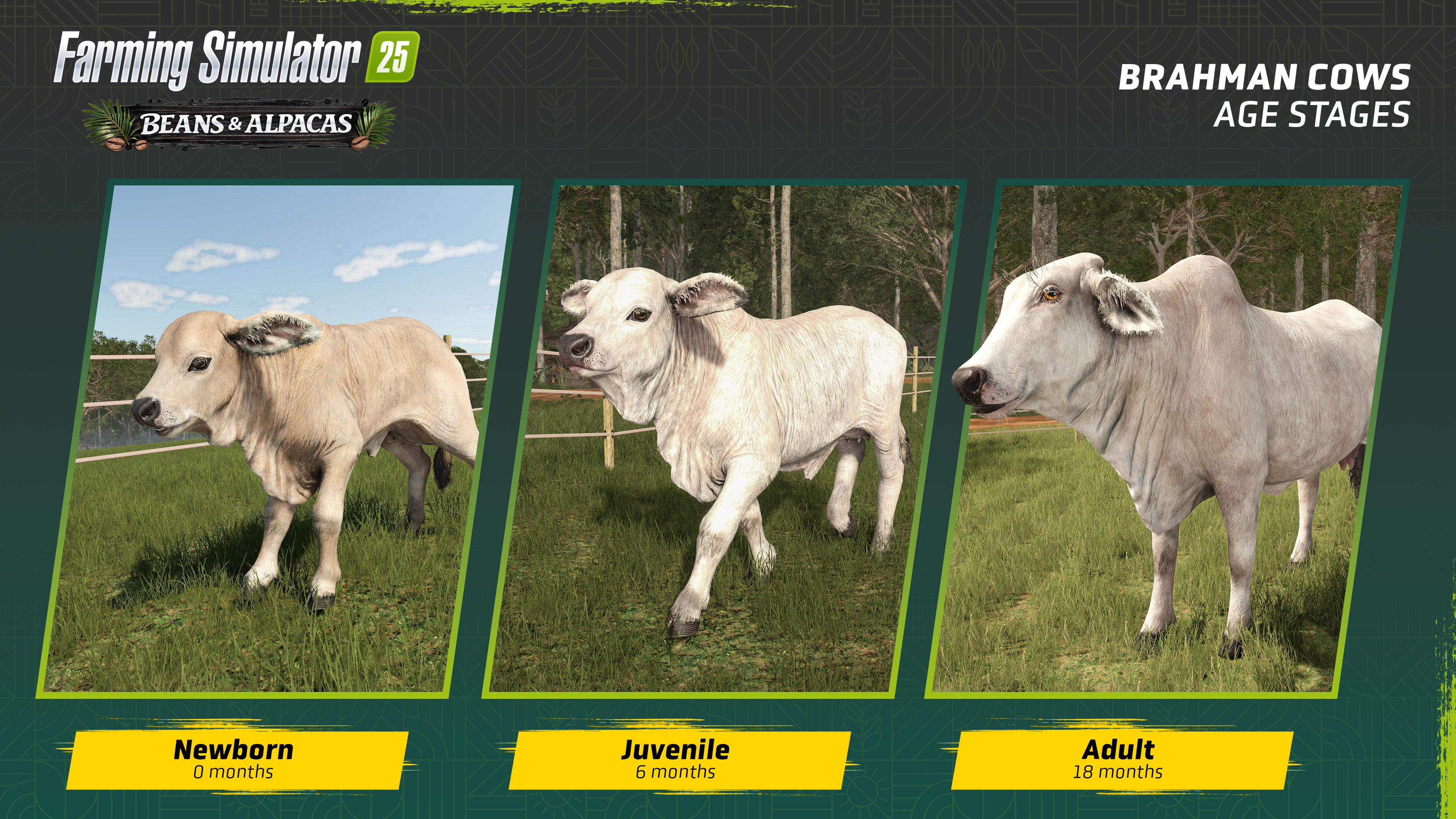
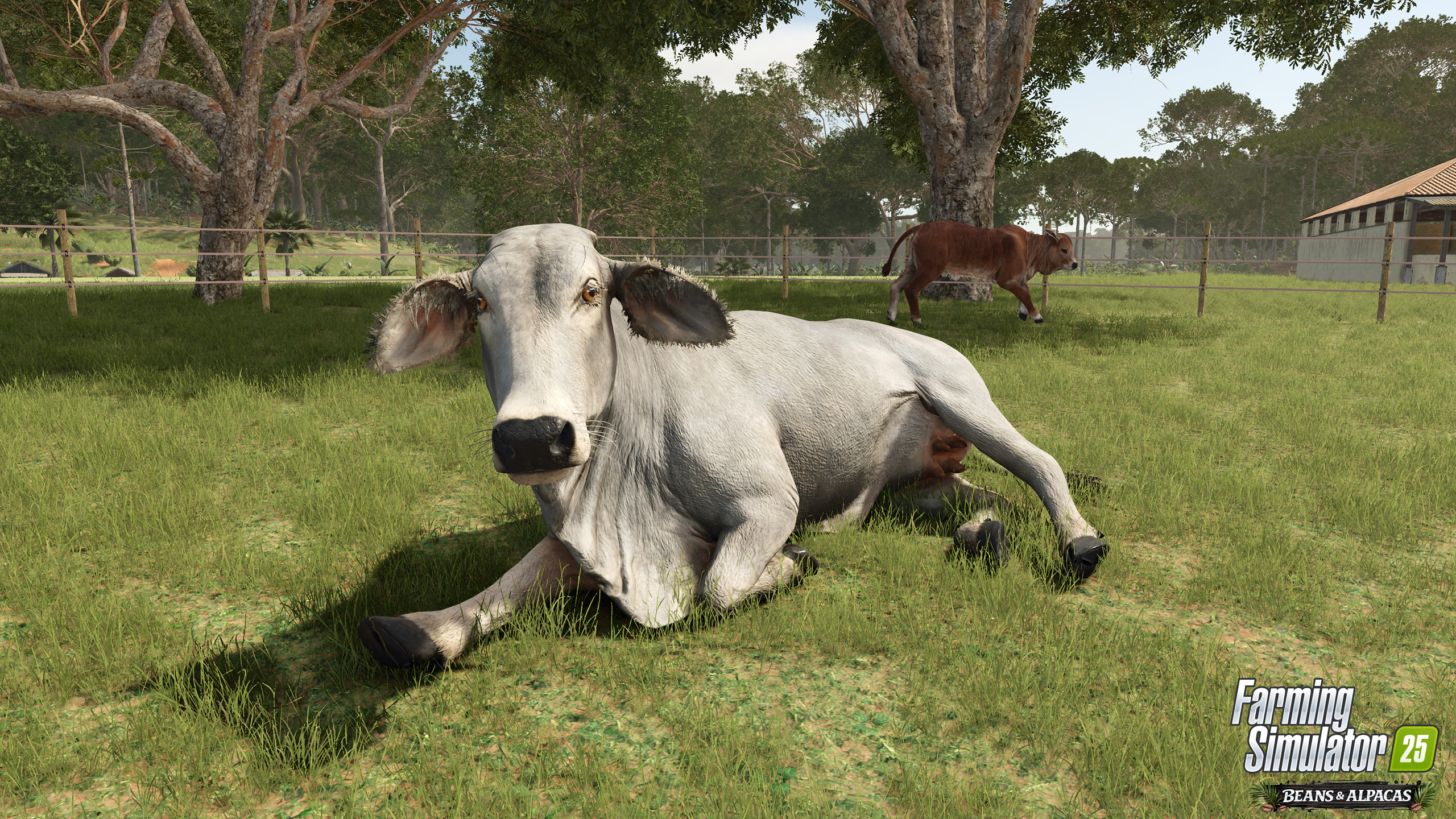
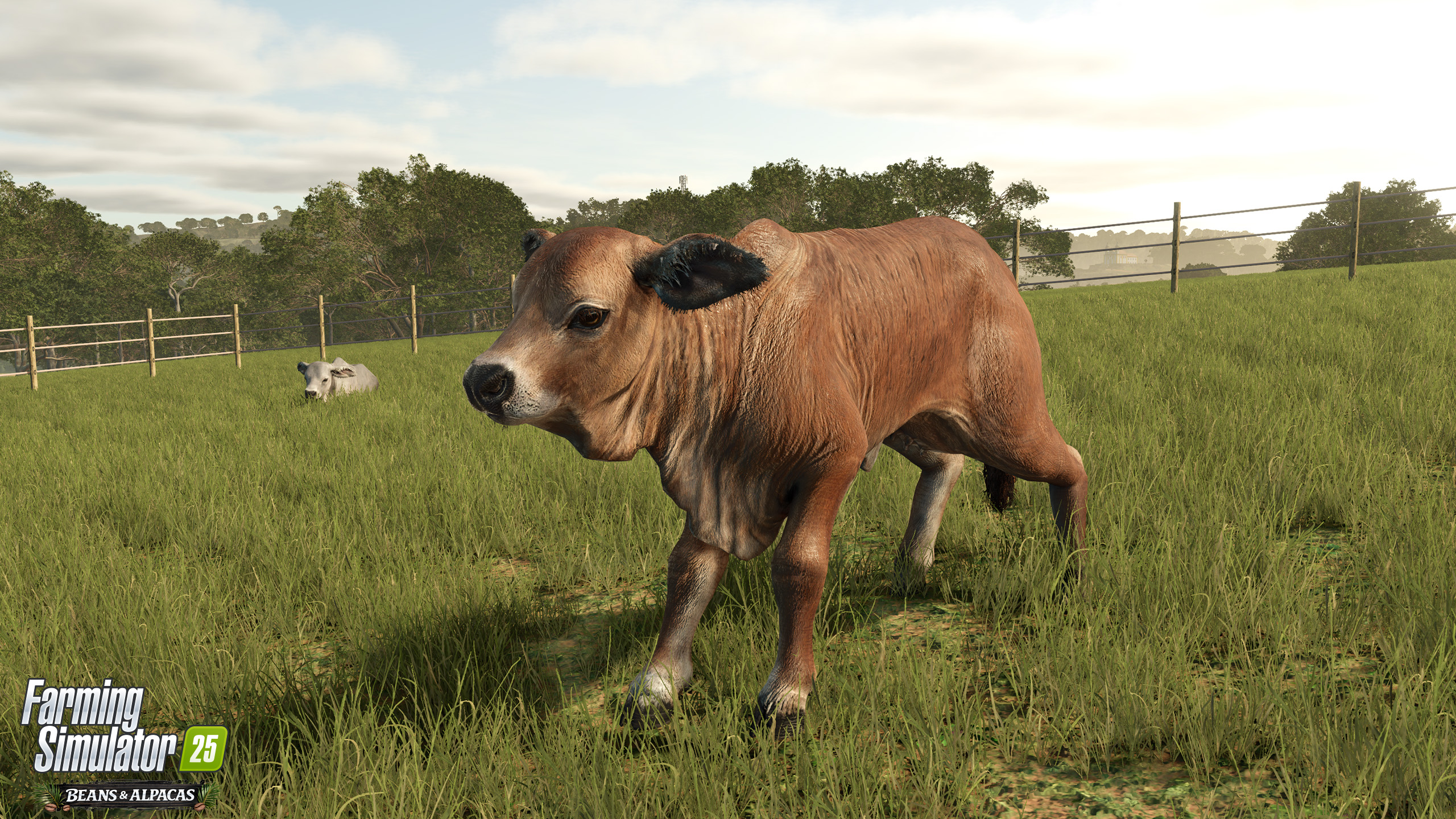
Brahman cattle are used for breeding and become able to reproduce after 18 months. They can also produce slurry and manure, adding more value to your livestock operation. They can be fed with Total Mixed Ration, or TMR. A meadow planted inside the fence can cover up to 40% of their feed needs.

Treat yourself! 🤩 Get some Farming Simulator Merch & save up to 40% across our Amazon store. Available in Europe only. 🚜 Shop now & grab your favorites! 👇 🔗 https://t.co/0rd2WhySuN https://t.co/wbBpm0rkuU

Fresh facts for your Friday! 🚜 Discover Case IH, Ford, John Deere, KUHN & Stara equipment coming with the Beans & Alpacas Expansion on October 27. Check our latest factsheets! 🌱 🔗 https://t.co/KGeOIzHeIa https://t.co/FOTu1Wpi87

Barnyard Meetup is coming to Birmingham! 🇬🇧 Join Farmer Cop, Jos and more creators at the Arden Hotel during LAMMA Show 2027 on January 20, from 6 to 11 PM UK time. Meet fellow farmers and enjoy an evening with the community! 🚜 🔗 https://t.co/eO2Sp0DOBI https://t.co/J98lxbhLCY

Make yourself at home on Catuaí. 🏡 Build your dream farm in FS25: Beans & Alpacas. From six farmhouses with interiors to over 80 new objects, make this new region your own! Check our blog for more info! 👇 🔗 https://t.co/vYxER7GTzI https://t.co/qFFqxumbxA

Social Media


Treat yourself! 🤩 Get some Farming Simulator Merch & save up to 40% across our Amazon store. Available in Europe only. 🚜 Shop now & grab your favorites! 👇 🔗 https://t.co/0rd2WhySuN https://t.co/wbBpm0rkuU